
Sindh Rice Processing & Export
- Home
- Sindh Rice Processing & Export
Profile:
Al Zayan Group is a diversified business organization operating across multiple industries and commercial sectors, including textile manufacturing, aerospace and defense, agriculture, automotive, BFSI, chemicals and materials, construction and manufacturing, electronics and semiconductors, energy and mining, food and beverages, healthcare, packaging, technology and media, transportation and logistics, and related industrial activities. Building on its expanding business portfolio and growing experience in agribusiness, Al Zayan Group intends to explore opportunities in rice processing, export enhancement, and rice bioproduct industry development in Sindh, with a focus on improving value addition, strengthening supply chains, supporting export potential, and contributing to the long-term growth of Pakistan’s agricultural and agro-industrial sectors.
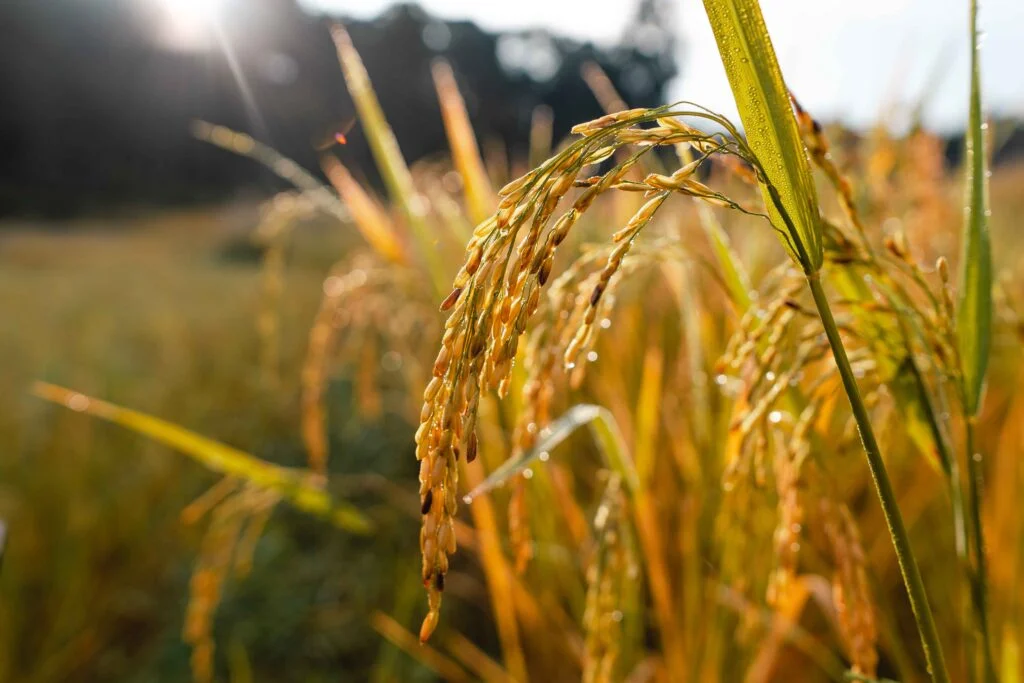
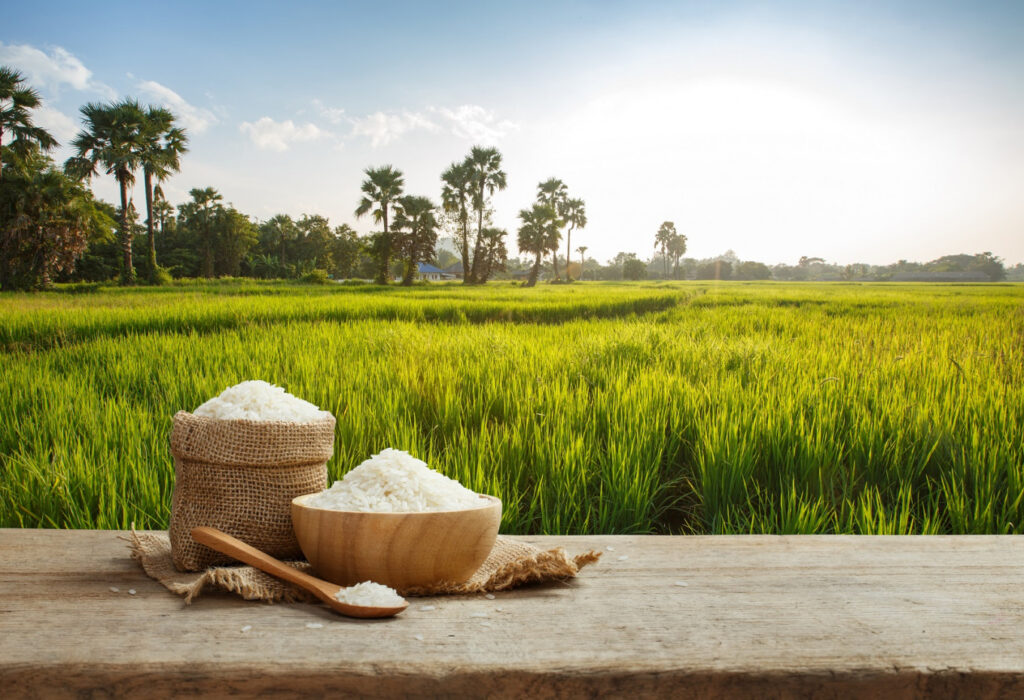
Sindh, one of Pakistan’s key agricultural provinces, plays a vital role in the country’s rice production, particularly in growing high-quality Indica and Basmati rice varieties. Despite being a significant contributor to rice exports, the province faces challenges in processing inefficiencies, post-harvest losses, limited value addition, and low diversification in rice bioproducts. This project aims to modernize rice processing, enhance exports, and develop a rice bioproduct industry to maximize economic benefits, improve competitiveness, and create new revenue streams.
Table: Cost Estimate for Machinery & Equipment
| Category | Equipment | Estimated Cost (PKR) |
|---|---|---|
| Rice Processing & Milling Machinery | Paddy Pre-Cleaner | 1,500,000 – 2,500,000 |
| Destoner Machine | 1,000,000 – 1,800,000 | |
| Paddy Husker (Dehusking Machine) | 2,000,000 – 3,500,000 | |
| Paddy Separator | 1,500,000 – 2,500,000 | |
| Rice Whitener / Polisher | 2,500,000 – 4,000,000 | |
| Rice Grader / Length Grader | 1,800,000 – 3,000,000 | |
| Color Sorter (Optical Sorter) | 5,000,000 – 8,000,000 | |
| Rice Packaging Machines | 1,000,000 – 2,000,000 | |
| Drying & Storage Equipment | Paddy Drying Machines | 3,000,000 – 5,000,000 |
| Grain Storage Silos | 10,000,000 – 20,000,000 | |
| Rice Bran Oil Processing | Rice Bran Expeller (Oil Press Machine) | 4,000,000 – 6,000,000 |
| Solvent Extraction Plant | 15,000,000 – 25,000,000 | |
| Oil Refinery Unit | 10,000,000 – 15,000,000 | |
| Rice Husk & Broken Rice Processing | Rice Husk Pellet Machine | 3,000,000 – 5,000,000 |
| Rice Husk Gasifier | 5,000,000 – 8,000,000 | |
| Rice Starch & Flour Milling Unit | 7,000,000 – 10,000,000 | |
| Biodegradable Rice-Based Products | Bioplastic Production Unit | 20,000,000 – 30,000,000 |
| Compost & Organic Fertilizer Plant | 5,000,000 – 8,000,000 | |
| Animal Feed Pelletizer | 2,500,000 – 4,000,000 | |
| Quality Control & Lab Equipment | Moisture Meters | 50,000 – 150,000 |
| Milling Yield Analyzer | 500,000 – 1,000,000 | |
| Microbiological & Chemical Testing Labs | 10,000,000 – 15,000,000 | |
| Export & Logistics Equipment | Automated Bulk Loading System | 5,000,000 – 7,000,000 |
| Cold Storage for Specialty Rice | 15,000,000 – 25,000,000 |
A High-Return, Sustainable Agro-Industrial Project
| Outcome Category | Current Status | Expected Outcome (5 Years) | Economic Impact |
|---|---|---|---|
| Rice Export Revenue | $875 million/year | $1.2 billion/year | $325 million increase |
| Value-Added Rice Products | $50 million/year | $200 million/year | $150 million increase |
| Post-Harvest Loss Reduction | 700,000 tons lost | 400,000 tons saved | $250–300 million savings |
| Job Creation | – | 25,000+ new jobs | Improved livelihoods & rural employment |
| Sustainability Impact | Low bio-energy use | 10–20 MW renewable energy | $20–30 million savings in energy costs |
Benefits for Local Farmers
Increased Income: Agro-industries can provide local farmers with a stable and lucrative market, increasing their income and improving theirJob Creation: Agro-industries can create employment opportunities for local farmers and rural communities, reducing poverty and migration.Improved Food Security: Agro-industries can improve the province’s food security by increasing the production and availability of nutritious food Sustainable Agriculture: Agro-industries can promote sustainable agriculture practices, reducing the environmental impact of farming and improving soil health. Empowerment of Rural Communities*: Agro-industries can empower rural communities by providing them with economic opportunities, improving their livelihoods, and increasing their participation in decision-making
Benefits of Al-Maidah Group’s Loan Program
Increased Access to Capital: Many farmers in Sindh Province lack access to formal credit channels, making it difficult for them to invest in their farms. Al-Maidah Group’s loan program can help bridge this
Improved Agricultural Productivity: With access to credit, farmers can invest in modern agricultural technologies, inputs, and practices, leading to increased productivity and better crop yields.
Enhanced Livelihoods: By providing farmers with access to credit, Al- Maidah Group’s loan program can help improve their livelihoods, increase their incomes, and reduce poverty.
Job Creation: A thriving agricultural sector can create employment opportunities for rural communities, reducing migration and poverty.
Food Security: By supporting agricultural development, Al- Maidah Group’s loan program can contribute to improved food security in Sindh Province.
Potential Features of the Loan Program
Competitive Interest Rates: Al- Maidah Group may offer competitive interest rates to farmers, making credit more affordable and accessible.
Flexible Repayment Terms*: The loan program may offer flexible repayment terms, allowing farmers to repay loans in installments or after harvesting their crops.
Credit Assessment and Monitoring: Al- Maidah Group may have a robust credit assessment and monitoring system to ensure that loans are disbursed to creditworthy farmers and that repayments are made on time.
Technical Support and Training: The loan program may offer technical support and training to farmers, helping them improve their agricultural practices and increase productivity.
Risk assessment
A risk assessment can be divided into several categories, covering the key risks associated with the project. Here’s an analysis based on potential risks:
Economic Risks
Fluctuations in global rice prices: The rice export industry is highly sensitive to global market If global rice prices drop or demand weakens in key markets, it could affect the profitability of rice processing and export activities.
Supply chain disruptions: Due to Sindh’s dependence on agriculture, any
Disruptions in the supply of paddy rice—due to factors such as floods, droughts, or disease outbreaks—could severely affect rice production and processing.
Currency exchange rate volatility: For rice exporters, fluctuations in exchange rates can influence export profitability, especially if they are dealing with international buyers using different
Environmental Risks
Climate change impacts: Sindh, like many regions in South Asia, is vulnerable to climate change effects such as rising temperatures, erratic rainfall patterns, and extreme weather events like floods or droughts. These factors could reduce rice yields and impact the availability of raw materials for processing.
Water scarcity: Sindh’s rice production relies heavily on irrigation, particularly from the Indus River. Any decrease in water availability, whether due to upstream water use or climate change, could threaten rice
Pollution and waste management: With rice processing generating substantial waste (e.g., husks and broken rice), improper waste management or pollution control could lead to environmental damage and health hazards.
Technological Risks
Outdated processing technology: If rice mills and processing plants are using outdated equipment, efficiency and product quality may suffer, leading to higher operational costs and lower competitiveness.
Inadequate bioproduct innovation: The development of bioproducts from rice requires specialized technologies and There is a risk that insufficient investment in research and development (R&D) could result in limited success in this area, preventing the industry from diversifying and maximizing value-added products
Political and Regulatory Risks
Government policies and regulations: The rice industry in Sindh may face risks from changes in government policies related to taxation, trade tariffs, or export regulations. Policy changes or lack of support for export enhancement could hinder growth
Trade barriers and tariffs: If Sindh rice exports are subject to trade barriers,
such as higher tariffs or stricter quality controls, this could reduce the
competitiveness of Sindh’s rice in international markets
Market and Demand Risks
Competition from other rice-producing countries: Sindh’s rice export industry faces intense competition from other large producers like India, Thailand, and If competitors improve their rice quality, reduce costs, or innovate more successfully, Sindh’s share in the global market may decline.
Changing consumer preferences: In the bioproduct sector, consumer demand for sustainable or value-added rice products (e.g., rice bran oil, biodegradable plastics, etc.) may change. A lack of market research or failure to align with evolving trends could result in underperforming
Social Risks
Labor shortages and worker safety: The rice processing industry in Sindh may face labor shortages, especially if working conditions in processing mills are poor. Additionally, health and safety risks in processing plants could lead to worker dissatisfaction, accidents, and loss of skilled
Impact on local communities: If rice processing mills are not built or operated in a socially responsible way, there could be negative impacts on local This could include displacement, poor labor practices, or environmental degradation that affects the livelihoods of nearby residents.
Financial and Investment Risks
Access to financing: Rice processing and bioproduct development require substantial capital The lack of access to financing or
unfavorable lending terms could limit the ability to expand infrastructure, adopt new technology, or invest in R&D.
Return on investment (ROI): Investors in rice bioproducts may face challenges in ensuring a consistent return, particularly if the demand for bioproducts does not meet expectations or if global economic conditions negatively impact the rice market.
Health and Safety Risks
Food safety concerns: Rice exports and rice-based products need to meet international food safety standards. Any contamination or failure to adhere to quality regulations can lead to product recalls, reputation damage, and loss of international markets.
Pesticide residue: Rice cultivated in Sindh may face scrutiny for pesticideuse. If rice products contain excessive pesticide residue, they could be rejected by international buyers, impacting export volumes.
Conclusion
he risks associated with the Rice Processing, Export Enhancement, and Rice Bioproduct Industry Development in Sindh are multifaceted and require strategic planning. Mitigation strategies could include diversifying markets, investing in modern technologies, ensuring sustainable practices, enhancing climate resilience, and aligning with government and international regulations. Addressing these risks will be critical for the long-term success and growth of the industry.
| Objective | Risk | Risk Impact | Mitigation Strategy |
|---|---|---|---|
| 1. Improve Rice Quality | Climate change impacts (e.g., droughts, floods) | Reduction in rice yield and quality, leading to less marketable rice. | Invest in climate-resilient farming techniques, improve irrigation systems, and provide weather forecasting services. |
| Outdated farming techniques | Reduced quality of rice, which may not meet market standards. | Implement training programs for farmers on modern farming practices and use of quality seeds and fertilizers. | |
| Inadequate post-harvest handling and storage | Rice quality deteriorates during storage, leading to spoilage and loss of market value. | Introduce better storage and handling facilities, such as controlled storage and improved milling methods. | |
| 2. Increase Export Volume | Fluctuations in global rice demand and price | Volatility in global markets can reduce export volume and profitability. | Diversify target markets, establish long-term contracts, and enhance product differentiation to remain competitive. |
| Trade barriers (e.g., tariffs, quality standards) | Potential restrictions on exports to key markets, reducing export volume. | Lobby for favorable trade policies, ensure compliance with international quality standards, and seek new market opportunities. | |
| Supply chain disruptions | Delays in production and export, reducing timely deliveries. | Develop alternative transportation and storage solutions to avoid bottlenecks. | |
| 3. Enhance Farmer Incomes | Market price volatility | Fluctuations in rice prices may lower farmer incomes despite increased production. | Provide guaranteed minimum prices or contracts with buyers to stabilize income, and diversify income sources for farmers. |
| Lack of access to credit or financing | Farmers may be unable to invest in quality inputs such as seeds, fertilizers, and equipment, affecting productivity. | Partner with financial institutions to offer affordable credit facilities for farmers. | |
| Limited adoption of improved farming practices | Poor farm productivity, leading to lower income for farmers. | Launch extensive training programs and provide access to modern farming tools and technologies. | |
| 4. Create Employment Opportunities | Labor shortages or high turnover | Difficulty in maintaining a stable workforce, leading to inefficiencies in processing and exporting. | Improve worker conditions, offer competitive wages, and provide training to reduce turnover and attract skilled labor. |
| Automation and technological adoption | Automation could reduce the need for manual labor, leading to fewer jobs in the processing sector. | Maintain a balance between technology and labor, and provide retraining programs so workers can adapt to new roles. | |
| Poor working conditions in processing plants | Health and safety issues could harm workers, leading to strikes or operational halts. | Establish robust health and safety standards, conduct regular audits, and ensure compliance with labor laws and regulations. | |
|
Cross-Objective Risks (Affecting Multiple Objectives) |
Political instability or regulatory changes | Uncertainty in government policies could disrupt operations and project goals. | Maintain strong government relations, stay informed of regulatory changes, and engage in advocacy for industry support. |
| Inadequate infrastructure (e.g., roads, energy supply) | Poor infrastructure can limit production efficiency, reduce export capabilities, and impact employment. | Invest in infrastructure development or advocate for public investment in rural and agricultural infrastructure. | |
| Environmental degradation (e.g., water contamination, soil erosion) | Reduced agricultural productivity and quality, affecting both rice harvests and farmer incomes. | Promote sustainable farming practices and invest in environmental conservation efforts to protect land and water resources. |
This table provides an overview of the key risks, their potential impacts on the objectives, and strategies to mitigate these risks. Addressing these risks through well-planned actions will help ensure the successful achievement of the objectives related to rice quality improvement, export enhancement, farmer income growth, and employment generation.
Project Cost Breakdown (Total Cost: 3000 Million PKR)
| Category | Estimated Cost (PKR) | Details |
|---|---|---|
| 1. Infrastructure Costs | 700 million | Land acquisition for a larger area and advanced facility construction, including state-of-the-art processing plants, storage facilities, warehouses, and offices. |
| 2. Machinery and Equipment | 600 million | High-end rice milling machinery, automated sorting systems, packaging equipment, advanced processing technology, and bioproduct production machines. |
| 3. Technology & Automation | 200 million | Investment in high-tech ERP systems, automation across production stages, AI-based process optimization, and blockchain solutions for export traceability. |
| 4. Human Resources (Salaries) | 400 million (annual) | Larger workforce requirements for production, quality control, management, logistics, marketing, research and development, and bioproduct development. |
| 5. Raw Material & Inventory | 800 million | Bulk purchase of rice for large-scale processing, extended inventory management, packaging materials, and raw materials required for bioproduct development. |
| 6. Export Setup and Logistics | 300 million | Advanced logistics systems, export warehousing, international shipping, customs handling, and strategic export distribution infrastructure. |
| 7. Marketing & Promotion | 150 million | Major brand development initiatives, international marketing campaigns, participation in trade fairs, and collaboration with global distributors. |
| 8. Bioproduct Development | 200 million | Research and development for new rice bioproducts, including packaging development, laboratory setup, and scaling production for bioplastics and rice-based chemicals. |
| 9. Environmental & Regulatory Compliance | 100 million | Environmental sustainability initiatives, compliance with local and international regulations, certifications such as organic and fair trade, and waste management systems. |
| 10. Miscellaneous & Contingency | 50 million | Unforeseen expenses, additional legal permits, insurance requirements, and adjustments arising from changes in market conditions. |
Total Estimated Cost: 3000 Million PKR
This 3000 million PKR budget will allow for a robust, large-scale rice processing, export enhancement, and bioproduct industry development project that not only focuses on rice milling and exports but also integrates advanced bioproduct research and sustainable practices. The extensive allocation to R&D and technology ensures the project will remain competitive and innovative in a rapidly evolving global market.
Staff Required
The rice processing, export enhancement, and bioproduct industry in Sindh requires a diverse team to ensure efficient operations and growth. Below is a table outlining key staff positions, their expected qualifications, experience, and estimated salary ranges
| Position | Qualifications | Experience |
|---|---|---|
| Project Director | PhD in Agriculture, preferably with specialization in rice. | 20 years of experience in research and development with leading roles. |
| Rice Processing Plant Manager | Bachelor’s / Master’s in Food Technology or a related field. | 15–20 years of experience in rice processing operations, including leadership roles. |
| Export Manager | Bachelor’s / Master’s in Business Administration or a related field. | 15–20 years of experience in export management, preferably in the rice industry. |
| Quality Control Supervisor | Bachelor’s in Food Science or a related field. | 15 years of experience in quality control within food processing. |
| Supply Chain Coordinator | Bachelor’s in Supply Chain Management or a related field. | 15 years of experience in supply chain management, preferably in the agriculture or food sector. |
| Bioproduct Development Specialist | Master’s in Biotechnology or a related field. | 15–20 years of experience in bioproduct development, preferably in the agriculture or food sector. |
| Export Documentation Officer | Bachelor’s in Business or a related field. | 10 years of experience in export documentation, preferably in the rice industry. |
| Sales and Marketing Executive | Bachelor’s in Marketing or a related field. | 25 years of experience in sales and marketing, preferably in the food or agriculture sector. |
| Environmental Health and Safety Officer | Bachelor’s in Environmental Science or a related field. | 15–20 years of experience in environmental health and safety, preferably in food processing. |