
Sindh Corporate Farming & Horticulture
- Home
- Sindh Corporate Farming & Horticulture
Profile:
Al Zayan Group is a diversified and forward-looking business organization operating across a wide range of industries and commercial sectors. The Group’s activities span textile manufacturing, aerospace and defense, agriculture, automotive, BFSI, chemicals and materials, construction and manufacturing, electronics and semiconductors, energy and mining, food and beverages, healthcare, packaging, technology and media, transportation and logistics, and other industrial and commercial services. With a strong focus on innovation, quality, strategic growth, and long-term partnerships, Al Zayan Group continues to expand its capabilities across regional and international markets while creating sustainable value for clients, partners, and communities.
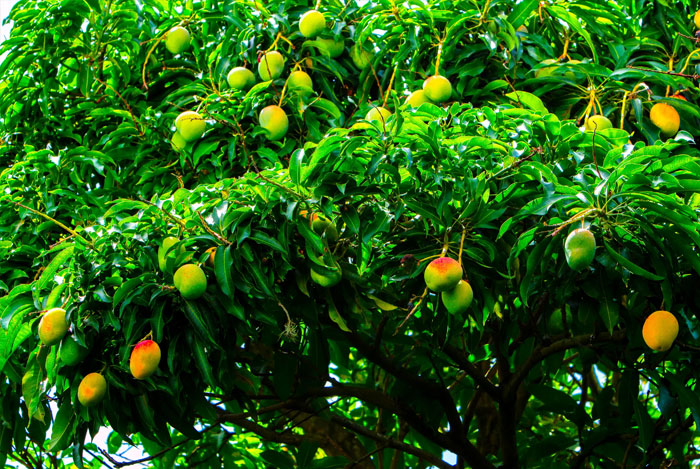
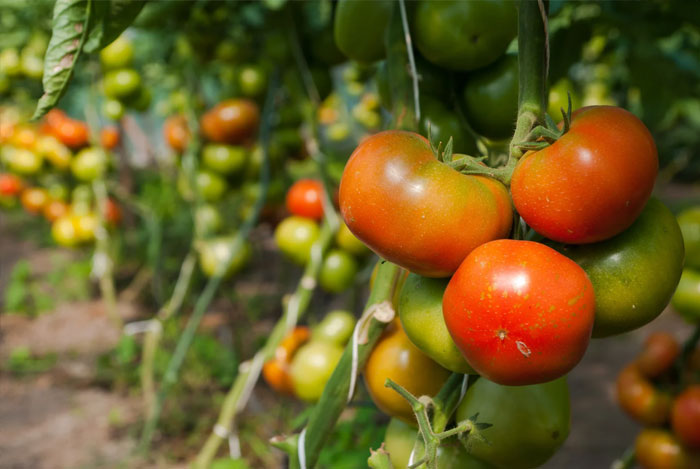
Al Zayan Group intends to invest approximately PKR 30 billion over a period of 5–10 years in the development of horticulture, fruits, vegetables, and other high-value crops across Sindh. The initiative is designed to support small and medium-sized farmers through in-kind financing for agricultural machinery, modern irrigation systems, sprinklers, drip irrigation, PVC lining, precision land leveling, fertilizers, pesticides, and other essential crop inputs, with repayment structured through installments from future crop production. Leveraging Sindh’s fertile land and favorable climatic conditions, the project aims to introduce modern corporate farming practices for major fruit crops including mango, banana, chiku, papaya, dates, and guava, as well as key vegetables such as tomatoes, onions, chillies, okra, brinjal, cucumber, cauliflower, cabbage, bitter gourd, bottle gourd, carrots, and spinach. Through improved technology, efficient resource management, and stronger farmer partnerships, Al Zayan Group aims to increase productivity, enhance crop quality, strengthen export potential, and promote sustainable agricultural development across the province.
Description
This integrated project will encompass the entire value chain for bothfruit and vegetable crops, from production to processing and marketing. It will involve:
- Crop-Specific Interventions: Implementing tailored strategies for each crop, including:Fruit Crops: High-density plantations, tissue culture, controlled-atmosphere storage, improved grafting, and modern processingVegetable Crops: Greenhouse farming, drip irrigation, precision agriculture, shared drying units, and value addition opportunities.
- Integrated Infrastructure Development: Establishing shared facilities like cold storage, processing units, quality control labs, and packaging centers for both fruit and vegetable crops.
- Unified Market Linkages: Developing combined marketing strategies, export channels, and partnerships with retailers and wholesalers for both
- Holistic Capacity Building: Conducting joint training programs for farmers and experts on modern agricultural practices, post-harvest management, and cooperative management for both fruit and vegetable production.
- Sustainable Farming Practices: Promoting integrated pest management, organic farming methods, and climate-smart agriculture across both
Project Duration: 36 months
Project Cost: PKR 3,500 million Budget Breakdown:
- Year 1: PKR 2,000 million – Focus on land consolidation, integrated infrastructure development, procurement of machinery and equipment, and establishing
- Year 2: PKR 1,500 million – Emphasis on implementing advanced technologies, joint training programs, developing combined market linkages, and initiating value addition projects.
- Year 3: PKR 1000 million – Concentrate on promoting sustainable practices, expanding kitchen gardening initiatives, strengthening cooperatives, and conducting project monitoring and evaluation.
Implementation Strategies (Integrated for Fruit and Vegetable Crops)
This section outlines the integrated implementation strategies for both fruit and vegetable crops, maximizing synergies and resource utilization.
- Corporate Farming Model (Integrated Approach):
- Land Consolidation: Encourage lease-based or cooperative models to cultivate large-scale farms efficiently, incorporating both fruit orchards and vegetable fields within the same consolidated land area. This allows for shared infrastructure and
- Precision Agriculture: Implement precision agriculture technologies, including drone technology, IoT-based sensors, and AI-driven monitoring systems, for optimized crop management across both fruit and vegetable cultivations. This integrated approach allows for data sharing and more informed decision-making across the entire farm.
- Mechanization: Implement modern farm machinery suitable for both fruit and vegetable crops, including tractors, planters, harvesters, sprayers, and drip irrigation systems. This shared pool of machinery reduces costs and increases
- Contract Farming: Engage corporate entities and farmers in integrated agreements that cover both fruit and vegetable production, ensuring market security, quality assurance, and fair pricing for both
II. Crop-Specific Interventions (Integrated Approach):
This section details interventions tailored to specific crops, considering the shared resources and infrastructure:
- Mango: Promote high-density plantations, controlled-atmosphere storage (shared with other suitable fruits and vegetables), and improved grafting
- Banana: Utilize tissue culture techniques for disease-resistant and high- yielding plants.
- Chiku: Develop hybrid varieties for extended harvesting
Capacity Building for Fruit and Vegetable Growers and Experts
Objective:
- Enhance skills of farmers, experts, and extension workers to improve productivity, adopt climate-smart practices, and reduce post-harvest
Key Training Areas:
- For Growers:
- Modern Techniques: High-density planting, irrigation, and improved seed varieties.
- Climate-Smart Agriculture: Water conservation, pest management, and sustainable farming.
- Post-Harvest Management: Proper storage, packaging, and cold chain
- Market Linkages: Training on value addition, packaging, and export
- For Experts and Extension Workers:
- Research & Development: Crop breeding, pest resistance, and modern agricultural technologies.
- Post-Harvest Tech: Techniques for processing and preserving fruits/vegetables.
- Climate Change Adaptation: Training on water management and sustainable practices.
Chiku (Sapodilla):
Chiku Jam: A natural, sweet spread made from ripe chikus.
Major Production Areas in Sindh
- Mango: Mirpurkhas, Tando Allahyar, Hyderabad, Matiari, Nawabshah
- Banana: Thatta, Sujawal, Tando Muhammad Khan, Matiari
- Chiku: Karachi (Malir), Hyderabad, Mirpurkhas
- Papaya: Karachi (Malir), Thatta, Badin
- Dates: Khairpur, Sukkur, Ghotki, Shikarpur
- Guava: Larkana, Hyderabad, Nawabshah, Tando Allahyar
- Tomato: Tando Jam (Hyderabad), Mirpurkhas, Sanghar, Badin
- Onion: Thatta, Sukkur, Khairpur, Mirpurkhas
- Chillies: Kunri (Umerkot), Sanghar, Mirpurkhas
- Okra: Sanghar, Nawabshah, Mirpurkhas
- Brinjal (Eggplant): Mirpurkhas, Sanghar, Khairpur
- Cucumber: Mirpurkhas, Sanghar, Badin, Hyderabad
- Cauliflower & Cabbage: Thatta, Mirpurkhas, Badin
- Bitter Gourd & Bottle Gourd: Sanghar, Badin, Mirpurkhas
- Carrot: Sukkur, Tando Jam, Mirpurkhas, Thatta
- Spinach: Hyderabad, Mirpurkhas, Sanghar
Estimated Number of Beneficiaries:
Direct Farmers: Around 20,000–30,000 farmers across Sindh (Mirpurkhas, Hyderabad, Larkana, Badin, Thatta, Kunri, Tando Allyar, Matiari, etc.) will benefit from modern farming techniques, improved productivity, and sustainable practices.
Women Farmers: Approximately 5,000–8,000 women engaged in agriculture will receive training and resources, enhancing their skills and income potential.
Youth Engagement: About 2,000–3,000 young people will be trained in modern farming and agri-business, creating job opportunities and reducing unemployment.
Communities and Cooperatives: Over 100,000 people will indirectly benefit from improved food security, job creation, and regional economic growth.
Key Beneficiaries
- Unemployed Youth: Will gain skills in farming and agri-business, reducing
- Women: Will gain access to training and decision-making roles, improving financial independence.
- Farmers: Will receive tools, techniques, and market access to boost income and sustainability.
- livelihoods and economic growth through enhanced farming productivity