
Balochistan Corporate Farming & Crops
- Home
- Balochistan Corporate Farming & Crops
Profile:
Al-Maidah Group of companies is part of Middle least Qatar oldest business group comprising of different manufacturing industries operating different companies dealing in various business segments: Textile Manufacturing Industries, Aerospace and Defense, Agriculture, Automotive, BFSI, Chemicals and Materials, Construction and Manufacturing, Electronics and Semiconductor, Energy and Mining, Food and Beverages, Healthcare, Packaging, Transportation and Logistics Paper Cones, Textile Machinery, Textile Garments, Sugar Mill Equipment, Auto/Steel Industry Marketing, Denim Production, Jeans Production, Polo Shirts, Dairy Farming, Dairy Processing, Boilers, Turbines, Biomass Power Plants, Wind Power, and so on. Across all over gulf States and Asian Countries.After the success of the different businesses, the Al-Maidah Group of Companies would like to invest in the growing of cash and organic crops in Balochistan. This would develop the methods to advance agricultural sciences together with modern technology. This activity would support agricultural sector development through sustainability and technological innovation. The project holds a key position to boost agricultural production.
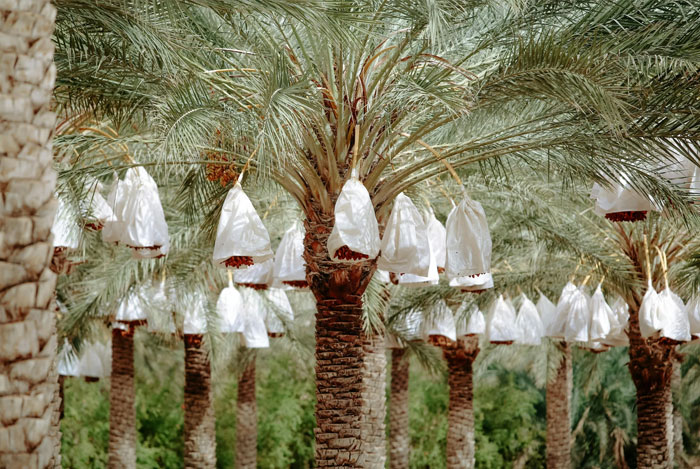
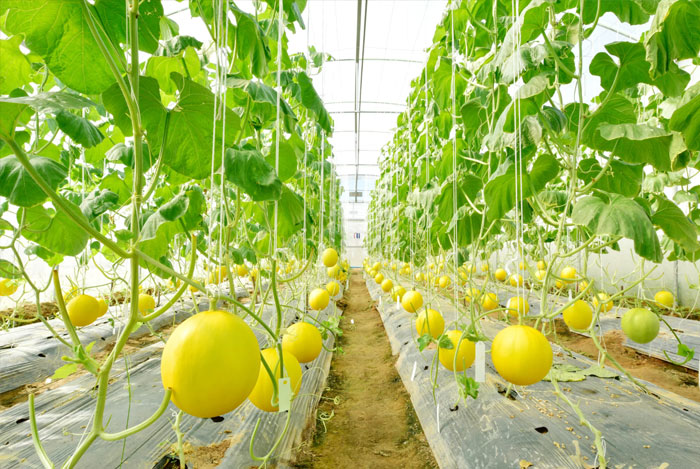
Agriculture is a major pillar of Pakistan’s economy, supporting national income, employment, food security, and rural livelihoods. Balochistan, with its extensive land resources and diverse agro-climatic conditions, offers significant potential for the development of horticulture, fruits, vegetables, and other high-value crops. At the same time, the province continues to face important challenges, including water scarcity, outdated farming methods, limited access to modern agricultural inputs, and inadequate infrastructure. To address these constraints and unlock the region’s agricultural potential, Al Zayan Group intends to invest approximately PKR 30 billion over a period of 5–10 years in agricultural development across Balochistan. The initiative is designed to support small and medium-sized farmers through in-kind financing for agricultural machinery, fertilizers, pesticides, and advanced irrigation solutions such as drip irrigation, sprinkler systems, PVC lining, and precision land leveling, with loan recovery structured through installments linked to future crop production. The project will focus on key agricultural districts including Panjgur, Kech, Gwadar, and Lasbela, while promoting the production of dates, mangoes, pomegranates, chiku, melons, wheat, cotton, barley, and a wide range of vegetables. Through corporate farming models, climate-resilient practices, improved irrigation, modern production techniques, and value-added processing facilities, the Balochistan Agri-Transformation Initiative aims to increase productivity, improve farmer incomes, strengthen food security, expand export opportunities, and support the long-term positioning of Balochistan as a major agricultural and agro-industrial hub.
JUSTIFICATION CLEARLY SHOWING THE GAP (IN QUANTITATIVE TERMS) THAT THE PROPOSED PROJECT WILL FILL
The provision of improved or certified seeds and plant varieties is a fundamental component of the Green Growth Initiative. This strategy aims to boost agricultural productivity, increase crop resilience, and ensure sustainable farming in the distinct agricultural environments of the province. Each region has unique climatic and soil conditions, necessitating the use of specific seed varieties to optimize agricultural outcomes.
Efficient irrigation systems, such as drip irrigation, sprinkler systems, and micro-irrigation, are critical in the province, where water scarcity and irregular rainfall present significant challenges to agriculture. The region’s arid climate and limited water resources make it essential to adopt irrigation technologies that maximize water use efficiency and minimize waste. Drip irrigation delivers water directly to plant roots, reducing evaporation and runoff, while sprinkler and micro-irrigation systems ensure even water distribution across fields. These technologies not only conserve water but also improve crop yields by providing plants with a consistent and optimal water supply, even in drought-prone areas. By adopting such systems, farmers will overcome water limitations, increase productivity, and promote sustainable agricultural practices.
The provision of farm machinery and equipment is essential for increasing agricultural efficiency and productivity in the province, where manual labor is time-consuming and less effective. Modern machinery, such as tractors, plows, harvesters, and seeders, enables farmers to cultivate larger areas more efficiently, reduce labor costs, and improve the precision of planting and harvesting. This will boost crop yields, reduce post-harvest losses, enhance soil management, and streamline farm operations. With access to appropriate equipment, farmers can adopt
modern, efficient farming practices, leading to increased food production and better economic outcomes for the region.
Post-harvest management and storage solutions are crucial for reducing crop losses and improving farmers’ profitability. Cold storage facilities will help preserve perishable crops such as dates, melons, and vegetables, preventing spoilage and extending shelf life. This will allow farmers to store their produce until market conditions are favorable. Improved packaging and handling techniques will maintain produce quality during transportation and sale, ensuring optimal conditions for consumers. Additionally, providing farmers with tools and knowledge on sorting, grading, and proper storage will enable them to manage their harvests more efficiently, reduce waste, and increase market value—ultimately boosting their incomes and contributing to food security.
CAPACITY BUILDING
Capacity building and farmer education are essential for empowering farmers to adopt modern, sustainable farming practices that enhance productivity and resilience. Through workshops, training sessions, and field demonstrations, farmers will gain hands-on experience with the latest techniques in pest management, irrigation, crop management, and post-harvest handling. Technical assistance will improve soil fertility, increase crop yields, and reduce pest-related losses. Collaborating with local agricultural universities and research institutions ensures that training is tailored to the region’s unique challenges, providing farmers with relevant, science-based knowledge and resources to make informed decisions and improve long-term agricultural practices.
PROJECT ACTIVITIES IN BALOCHISTAN
The project will be implemented throughout Balochistan, aligning with sector plans focused on agricultural development, water conservation, and rural economic growth. It supports national and provincial agricultural strategies by promoting sustainable farming practices, improving water use efficiency through modern irrigation systems, and enhancing food security. The project also aligns with environmental sustainability goals by encouraging eco-friendly farming techniques and climate-resilient crops, contributing to the overall development of the agricultural sector in Balochistan and Pakistan.
RELATIONSHIP OF PROJECT OBJECTIVES WITH SECTOR OBJECTIVES
The Green Growth Initiative aligns with the sector objectives outlined in the National Agriculture Policy and the Balochistan Agricultural Development Plan. These plans emphasize improving agricultural productivity, enhancing water use efficiency, and promoting climate-resilient farming practices, all of which are key objectives of this project.
The initiative’s focus on modern irrigation systems, improved seed varieties, and sustainable farming practices directly supports national goals for increasing food security and improving rural livelihoods. Additionally, the emphasis on post-harvest management and farmer education aligns with the Balochistan government’s objectives of reducing agricultural losses and strengthening farmers’ capacity for long-term success.
BENEFICIARIES (TYPE & NUMBER)
- Increased Crop Yields: Expected increase in yields of key crops by 10-15%.
- Water Use Efficiency: Reduction in water usage by 40-50% .
- Reduced Post-Harvest Losses: Decrease in post-harvest losses by 20-30% through the introduction of cold storage, better handling, and packaging methods.
- Increased Farmer Incomes: Expected increase in income for farmers by 15-20%.
- Number of Farmers Trained: Over 10,000 farmers and extension workers trained in modern farming techniques, pest management, and post-harvest practices.
- Market Access: Enhanced market linkages, benefiting at least 5,000 farmers with access to both national and international markets.
Estimated Number of Beneficiaries:
- Direct Farmers Benefiting: Approximately 10,000–15,000 farmers of the province.
- Women Farmers: An estimated 3,000–4,000 women engaged in agriculture.
- Youth Engagement: Around 2,000–3,000 young people trained in modern farming practices and related sectors.
- Communities and Cooperatives: Over 100,000 people indirectly benefiting from improved local food security, job opportunities, and regional economic growth.
These numbers are approximations based on regional population data and projected engagement through extension services and training programs.
EXPECTED OUT COMES (QUANTITATIVE & QUALITATIVE).
Quantitative Outcomes:
- Improved Knowledge & Skills
- Stronger Agricultural Communities
- Enhanced Food Security
- Gender Empowerment
- Climate Resilience
- Environmental Sustainability
Project shall contribute to the following SDGs.
- SDG-1 No Poverty (is to end extreme poverty globally by 2030.)
- SDG-2 Zero Hunger (Goal 2 states that by 2030 end hunger and all forms of malnutrition. This would be accomplished by doubling agricultural productivity and incomes of small-scale food producers, by ensuring sustainable food production systems).
- SDG-8 Create Decent Work and Economic Growth (The target for 2020 is to reduce youth unemployment and operationalize a global strategy for youth employment. Implementing the Global Jobs Pact of the International Labour Organization is also mentioned).
- SDG-12 Influence Responsible Consumption and Production (The targets of Goal 12 include using eco-friendly production methods and reducing the amount of waste)
Expected Outcomes & Benefits
- 50% Increase in Crop Yields through modern techniques.
- Reduction in Post-Harvest Losses by 30% via improved storage.
- 10,000+ Jobs Created across farming, processing, and marketing.
- Enhanced Export Potential for date palms, mangoes, and other fruits.
- Climate Resilience Strengthened through sustainable practices.
Duration of the Project (In Months)
- 36 Month
Physical Phasing of Project Duration is of more than 12 Months.
- 1st Year Rs.1500.00 Million
- 2nd Year Rs. 2500.000 Million
- 3rd Year Rs. 2000.000 Million
CONCLUSION :The Balochistan Agri-Transformation Initiative is a visionary approach to revolutionizing horticulture and vegetable farming in the province. By incorporating advanced agricultural techniques, building modern infrastructure, and creating strong market linkages, this project will significantly improve farmer incomes, employment opportunities, and the region’s overall economic growth. With a structured investment of PKR 2,500 million over three years, the initiative will pave the way for Balochistan’s emergence as a leading horticultural hub in Pakistan and beyond.