
Organic Crop Cultivation (2026–2036)
- Home
- Organic Crop Cultivation (2026–2036)
Profile:
Al Zayan Group is a diversified and forward-looking business organization operating across a broad range of industries and commercial sectors. The Group is engaged in areas including textile manufacturing, aerospace and defense, agriculture, automotive, BFSI, chemicals and materials, construction and manufacturing, electronics and semiconductors, energy and mining, food and beverages, healthcare, packaging, technology and media, transportation and logistics, and other related business activities. Through its expanding portfolio, Al Zayan Group focuses on delivering reliable products, strategic business solutions, industrial support, market intelligence, and value-driven services across regional and international markets. Building on its growing presence and diverse industry experience, the Group continues to explore new investment opportunities in sustainable agriculture, organic cultivation, industrial development, renewable energy, manufacturing, and other high-potential sectors, with the aim of creating long-term economic value and supporting sustainable growth across the markets it serves.
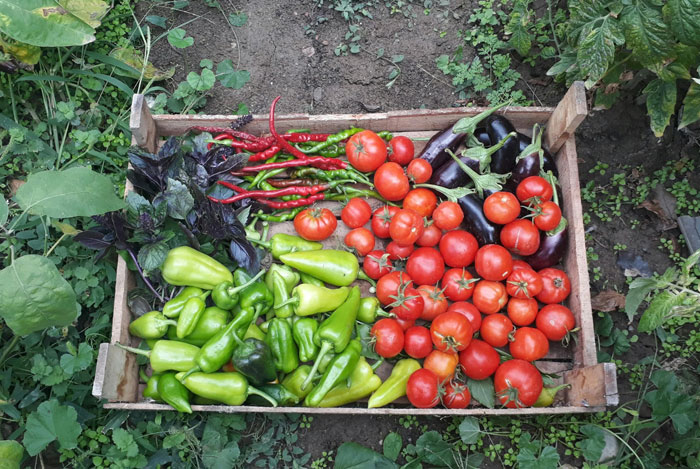
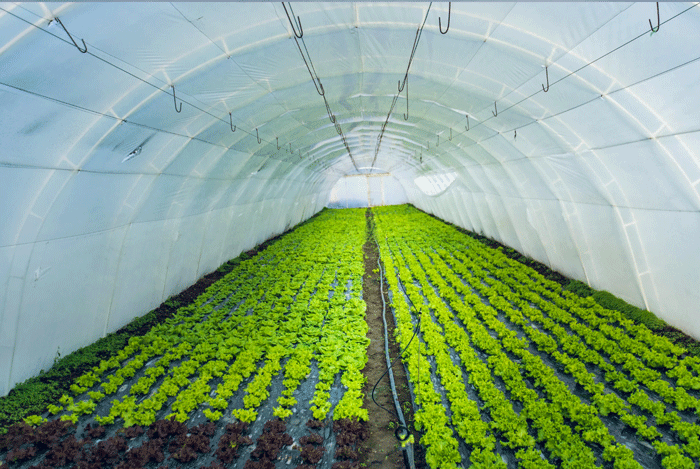
Agriculture remains a vital sector of Pakistan’s economy, supporting livelihoods, food security, and broader economic development. Sindh, with its extensive agricultural land, irrigated farming systems, and diverse crop base, offers strong potential for further growth in agriculture and livestock. The province is known for major crops such as cotton, rice, wheat, sugarcane, bananas, and mangoes, while livestock also makes an important contribution to rural incomes and agricultural value. At the same time, challenges such as water scarcity, changing climate conditions, resource efficiency, and the need for modern farming practices highlight the importance of research, innovation, and advanced agricultural education. Recognizing these opportunities and challenges, Al Zayan Group aims to support the development of modern agriculture through investment, strategic partnerships, research-driven initiatives, and sustainable farming solutions, including the potential establishment of advanced agricultural education and research facilities designed to strengthen productivity, innovation, and long-term agricultural development in Pakistan.
The most effective ways to educate farmers about organic farming practices in Pakistan
Farmers Field Schools (FFS): Implementing FFS can provide hands-on training and capacity building, allowing farmers to learn alternative approaches in a collaborative environment.
Exposure Visits: Organizing visits to research institutes and successful organic farms can help farmers see practical applications of organic techniques and innovations
Workshops and Training Programs: Regular workshops focusing on organic methods, pest management, and soil health can enhance farmers’ knowledge and skills.
Digital Resources: Utilizing mobile apps and online platforms for information dissemination can improve access to resources and market connections, although internet access must be addressed.
Community Engagement: Forming local Organic Farmer’s Associations can foster peer learning and support among farmers.
Benefits of using digital resources for farmers in Pakistan
Increased Productivity: Precision agriculture technologies, such as IoT sensors, help farmers optimize water and fertilizer usage, leading to higher crop yields—up to 27% in some cases
Cost Efficiency: Digital tools can reduce input costs significantly, with farmers saving up to one-third on fertilizers and pesticides.
Market Access: Mobile apps like farmer Helpline connect farmers directly with buyers, eliminating middlemen and ensuring fair prices for their products.
Real-Time Data: Access to weather forecasts and soil conditions allows farmers to make informed decisions about planting and resource management.
Sustainability: Digital farming practices contribute to better resource management, reducing waste and environmental impact.
Countries actively growing organic crops include:
Australia: Leading with approximately 53 million hectares of organic farmland.
India: Home to around 4.7 million hectares and the highest number of organic producers (over 2.5 million).
Argentina: Approximately 4.1 million hectares dedicated to organic farming.
United States: About 3.54 million hectares under organic cultivation.
Uganda: Notable for having 191,000 organic farmers and over 240,000 hectares of organic land.
The countries with the highest percentage of organic farmland are:
Liechtenstein: 43.0%
Austria: 27.5%
Estonia: 23.4%
Sweden: 20%
Italy: 10.3%
These countries have made significant strides in integrating organic farming into their agricultural practices, reflecting a strong commitment to sustainability and environmental health.
Crops: Yields can be 20-50% lower than conventional methods, with specific crops like vegetables showing declines up to 34%. However, fruits like strawberries may yield only 3% less than conventional farming.
Expenditure
Costs: While organic farming can reduce chemical input costs, it often requires higher labor for practices like crop rotation and composting. Initial investments in organic inputs, such as manure and cover crops, can also be significant.
Overall Yield Gap: Organic yields are typically about 19.2% to 30% lower than conventional yields, depending on specific conditions and practices used.
Crops: For instance, cereals may experience a yield gap of up to 30%, while other crops like vegetables may show smaller differences.
Yield Optimization: Practices such as crop rotation and multi-cropping can reduce the yield gap significantly, sometimes to as low as 8-9%.
Key features of the “Food Processing Parks” initiative
Infrastructure Development: Establishes centralized processing centers, primary processing centers, and collection centers to facilitate efficient processing and reduce wastage.
Value Chain Integration: Connects farmers directly with markets, improving price realization and creating a streamlined supply chain from farm to consumer.
Common Facilities: Provides shared resources like water treatment plants and quality control facilities, which lower operational costs for smaller producers.
Employment Generation: Aims to create significant direct and indirect employment opportunities within local communities.
Capacity Building: Focuses on training farmers and processors to enhance skills and knowledge in modern food processing techniques.
These features collectively aim to boost productivity, reduce post-harvest losses, and foster economic growth in the agricultural sector.The scope of organic cultivation of crops in Pakistan is significant, considering the country’s diverse agro- climatic zones, large agricultural base, and increasing awareness about organic farming practices. Below are some key aspects highlighting the potential and opportunities for organic farming in Pakistan:
1. Favorable Agro-Climatic Conditions
Pakistan’s diverse climate and fertile soil provide an excellent environment for organic farming. The variety of agro-ecological zones allows the cultivation of a wide range of crops, including fruits, vegetables, grains, and spices.
2. Growing Demand for Organic Products
- Domestic Market: Increasing health awareness among consumers is driving demand for chemical-free and organic produce in urban areas.
- Export Market: The global demand for organic products, especially in Europe, the Middle East, and North America, presents opportunities for Pakistan to export organic crops like rice, cotton, mangoes, and citrus fruits.
3. Support from the Government and NGOs
- Training farmers in organic farming
- Providing subsidies and incentives for organic
- Supporting organic farming
4. Reduction of Environmental
- Soil
- Water contamination from chemical pesticides and
- Loss of
5. Cost-Effectiveness for Small Farmers
Organic farming relies on locally available resources like compost, green manure, and biological pest control, reducing the need for expensive chemical inputs. This makes it accessible and affordable for small-scale farmers.
6. Export Potential
- Basmati rice: High demand for organic basmati in international
- Cotton: Organic cotton is highly valued in the textile
- Fruits and Vegetables: Organic mangoes, citrus fruits and vegetables can cater to niche markets
- Lack of awareness and training for
- Limited availability of organic
- Inadequate infrastructure for processing and marketing organic
- Difficulty in transitioning from conventional to organic
Conclusion:
With proper policy implementation, investment in research and development, and farmer support programs, organic farming in Pakistan can flourish. It offers sustainable solutions for food security, environmental conservation, and rural development while opening doors to lucrative international markets.
Pakistan’s diverse agro-climatic conditions and fertile soils make it suitable for cultivating a variety of organic fruits, spices, medicinal plants, and vegetables. Here’s an overview of the organic crops that can be grown in the country:
Tropical Fruits
- Mangoes (Sindhri, Chaunsa, Anwar Ratol)
- Guavas
- Bananas
Oranges (Kinnow)
- Lemons
- Grapefruit
Temperate Fruits
- Apples
- Apricots
- Cherries
- Plums
- Peaches
Berries
- Strawberries
- Mulberries
- Blackberries
Leafy Greens
- Spinach
- Lettuce
- Coriander
- Fenugreek (Methi)
Root Vegetables
- Carrots
- Radishes
- Turnips
- Potatoes
Cruciferous Vegetables
- Cabbage
- Cauliflower
- Broccoli
Other
- Onions
- Tomatoes
- Eggplants
- Bell Peppers
- Chillies
- Okra (Lady Finger)
Herbs
- Basil (Tulsi)
- Mint
- Thyme
- Oregano
Medicinal Crops
- Aloe Vera
- Neem
- Ashwagandha
- Lemongrass
- Chamomile
Roots and Tubers
- Ginger
- Licorice (Mulethi)
Other Medicinal Plants
- Fennel (Saunf)
- isabgol(Psyllium Husk)
1. Soil Preparation
- Rotavators and Power Tillers: For plowing and preparing the soil without disturbing its natural
- Compost Turners: For mixing and aerating compost heaps to produce high quality —-
- Mulchers: To shred plant residues and convert them into organic mulch for soil
- Subsoilers: To improve soil aeration and break hard soil layers for better root
2. Planting Equipment:
- Seed Drills: For precise planting of seeds, ensuring proper spacing and
- Transplanters: For planting seedlings of vegetables, fruits, and other crops
- Organic Fertilizer Spreaders: To uniformly distribute organic compost, manure , or bio—–
3. Weed Management:
- Mechanical Weeders: To control weeds without using chemical
- Flame Weeders: Use heat to kill weeds while preserving the crop and
- Inter-row Cultivators: For removing weeds between rows of
4. Irrigation Systems:
- Drip Irrigation Systems: Deliver water and liquid organic nutrients directly to plant roots, minimizingwater wastage.
- Sprinkler Systems: For uniform irrigation over larger
- Solar-Powered Pumps: Environmentally friendly and cost-effective for pumping
5. Pest and Disease Control
- Biological Sprayers: For applying organic pest control solutions like neem oil or bio-
- Insect Traps (e.g., pheromone traps): For monitoring and controlling pests without
- Netting and Shade Cloths: To protect crops from pests and harsh
6.Post-Harvest Handling :
- Sorting and Grading Machines: To sort fruits, vegetables, and grains based on size, quality, and
- Cold Storage Units: For preserving organic produce & maintain freshness and
- Packaging Machines: For eco-friendly packaging to meet organic market
- Solar Dryers: For drying herbs, spices, or fruits
7. Monitoring and Data Collection:
- Soil Sensors: For monitoring soil moisture, pH, and nutrient
- Drones: To survey fields, monitor crop health, and detect pest
- Mobile Apps and Software: For farm management, record-keeping, and weather
8. Renewable Energy Equipment:
- Solar Panels: To power irrigation systems, storage units, and other farm
- Biogas Plants: To convert organic waste into energy and
9. Composting and Vermicomposting
- Vermicomposting Beds or Machines: For producing high-quality organic manure using
- Compost Shredders: To process organic waste into compostable
Potential Growing Areas:
- Punjab: Suitable for vegetables, fruits like citrus, and spices like coriander and
- Sindh: Known for mangoes, chillies, and
- Balochistan: Ideal for dates, apples, pomegranates, and medicinal
- Khyber Pakhtunkhwa (KP): Good for apricots, cherries, and medicinal plants like
- Northern Areas: Suitable for organic berries, apples, and medicinal
Conclusion: With its vast agricultural resources, Pakistan can successfully cultivate a variety of organic fruits, vegetables, spices, and medicinal plants. Proper training, certifications, and export-oriented strategies can help tap into local and international markets for these organic products.
Organic Chemicals for Disease Control:
These help control fungal, bacterial, and viral diseases in crops.
Fungal Control :
- Copper-based Fungicides (e.g., Copper Sulfate): Effective against blight, mildew, and bacterial
- Bordeaux Mixture (Copper Sulfate + Lime): Widely used to manage fungal diseases like downy mildew and rust.
- Sulfur-based Fungicides: Controls powdery mildew, scab, and rust in
- Potassium Bicarbonate: Treats powdery mildew and other fungal
Biological Fungicides:
- Trichoderma : A beneficial fungus that suppresses soil-borne pathogens like Rhizoctonia and Fusarium.
- Bacillus subtilis: A bacterium that prevents fungal infections like anthracnose and
Biological Control Measures:
These involve using natural predators, parasites, or pathogens to control pests and diseases. Predators:
- Ladybugs (Ladybird Beetles): Feed on aphids, scale insects, and
- Lacewing Larvae: Prey on soft-bodied insects like aphids, whiteflies, and
- Predatory Mites/eg., Phytoseiulus persimilis): mites and
Parasitoids:
1 . Trichogramma spp.: Parasitic wasps that attack the eggs of moths and caterpillars.
- Encarsia formosa: Parasitizes
- Aphidius colemani: Attacks
Pathogens:
1 . Bacillus thuringiensis (Bt): A bacterial toxin that targets caterpillars, beetle larvae, and mosquito larvae.
- Nucleopolyhedrovirus (NPV): A virus used to control caterpillars like armyworms and
- Metarhizium anisopliae: A fungus effective against soil-dwelling pests like termites and roots
Cultural and Mechanical Methods:
- Crop Rotation: Reduces the buildup of pests and diseases specific to a
- Trap Crops: Attract pests away from main crops (e.g., planting mustard near cabbage to lure aphids).
- Sticky Traps: Catch flying insects like whiteflies and
- Row Covers: Physical barriers that protect crops from
- Pruning and Hygiene: Remove infected plant parts to reduce disease
Integrated Pest and Disease Management:
Combine the above measures to create a sustainable and balanced approach:
- Monitor pest populations with pheromone
- Use biological control agents alongside organic
- Maintain healthy soil with compost and organic fertilizers to enhance plant
Benefits of Modern Equipment in Organic Farming:
Increases efficiency and reduces labor
- Promotes sustainability and eco-friendly
- Enhances productivity without compromising organic
- Reduces reliance on chemical inputs by improving natural
By integrating these modern machines with traditional organic practices, farmers can achieve higher yields, better quality, and sustainable farming ecosystem.